
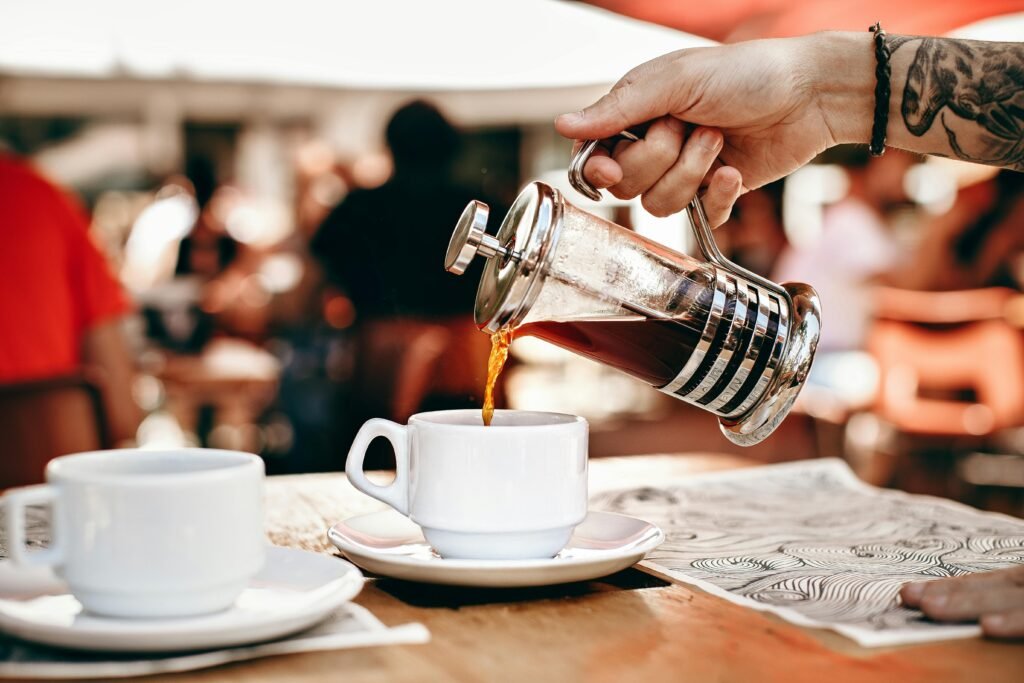
Coffee is more than just a morning ritual or a caffeine boost—it’s a cultural phenomenon, a scientific marvel, and for many of us, a comforting daily companion. In this blog, we’ll take a comprehensive journey through what drinking coffee daily really means: its history, its science, its health implications (both the good and the cautionary), how to incorporate it smartly into your life, and how to enjoy it with mindfulness. Whether you’re a casual sipper or a devoted coffee aficionado, there’s something here for you.
1. A Brief History & Cultural Significance
Coffee has traveled a long road from its origins in Africa to being one of the world’s most consumed beverages.
- The earliest credible evidence suggests that coffee was discovered in the Ethiopian highlands and later used in Yemen in the 15th century by Sufi monks for staying awake during prayers. Premier Care+2Coffee Annan+2
- Over time, coffeehouses became social hubs in the Middle East and then Europe in the 17th and 18th centuries—places of conversation, commerce, and culture.
- Today, coffee isn’t just a drink; it’s lifestyle, identity, ritual. The “daily dose of coffee” is part practical (wake-up call) and part pleasure (taste, aroma, comfort).
So when we talk about a “daily dose of coffee,” we’re tapping into a rich blend of culture, human habit, and science.
2. What Is a “Dose”? Understanding Caffeine and Coffee Serving Sizes
When we say “daily dose of coffee,” it helps to clarify what that means—how much coffee, how much caffeine, and how individual differences matter.
What is caffeine?
Caffeine is a naturally occurring stimulant found in coffee beans (and other plants). It stimulates the central nervous system, helps reduce fatigue, increases alertness. Coffee Annan+1
How much caffeine is in a cup?
It varies widely depending on brew strength, bean type, roast level, serving size. Roughly speaking, an 8-ounce (≈ 240ml) cup of regular brewed coffee may contain around 95 mg of caffeine. Johns Hopkins Medicine+1
One guideline suggests up to about 400 mg of caffeine per day is generally safe for most healthy adults. Harvard Health+2Coffee Annan+2
What counts as a “cup”?
Note: the “cup” in research often refers to roughly 200ml, not a giant mug you might drink at home. Exhale Healthy Coffee+1
Individual sensitivity and metabolism
People metabolize caffeine differently. Some folks are “slow metabolizers” (due to genetic variants like CYP1A2) and may feel effects stronger or for longer. Gene Food
Also, other personal factors (age, health status, medication, sleep quality) influence how we respond to caffeine / coffee.
3. Potential Health Benefits of Daily Coffee Consumption
Let’s explore what evidence says about the benefits of having coffee regularly. Note: “regular” doesn’t mean “excessive”.
3.1 Brain and cognitive health
- Regular coffee consumption has been associated with a reduced risk of neurodegenerative diseases like Alzheimer’s and Parkinson’s. CoffeeGeek+1
- Coffee contains active compounds beyond caffeine—antioxidants like chlorogenic acid, caffeic acid—that may help reduce oxidative stress and inflammation in the brain. Gene Food+1
- One review suggests around 2–3 cups may support brain health (though more is not always better). Gene Food
3.2 Metabolic and cardiovascular health
- Moderate coffee consumption (often cited 3–5 cups/day) is associated with lower risk of type 2 diabetes. CoffeeGeek+1
- Some studies show coffee drinkers may have lower risk of heart disease, stroke, and may live longer. Harvard Health
- Coffee’s compounds may improve insulin sensitivity, reduce inflammation, support healthy blood vessel function. CoffeeGeek
3.3 Liver health and longevity
- Coffee seems to exert protective effects on the liver: for example, regular coffee drinkers tend to show lower risk of liver disease. Johns Hopkins Medicine+1
- Some meta-analyses suggest moderate coffee intake is correlated with a lower risk of early mortality from all causes (i.e., people may live longer). General Warfield’s Coffee
3.4 Mood, alertness and daily performance
Beyond long-term benefits, coffee offers more immediate effects:
- Improved alertness, concentration, mental performance. Coffee Annan+1
- Drinking coffee may reduce risk of depression (some observational studies). Health
4. Risks, Side-Effects and When to Be Cautious
While coffee offers many upsides, it’s not a universal “good” in unlimited amounts. Moderation and context matter.
4.1 Too much caffeine / coffee
- Excessive caffeine intake can lead to anxiety, jitteriness, rapid heartbeat, elevated blood pressure, trouble sleeping. Harvard Health
- Over-consumption may counteract benefits. For brain health, some research suggests more than 5 cups/day may begin to diminish benefit. Gene Food
4.2 Timing issues and sleep disruption
- Drinking coffee too late in the day or too close to bedtime can disrupt sleep quality, which yields negative health consequences. The Guardian
- Timing appears important: habitual morning consumption seems more beneficial than late-day drinking. The Guardian
4.3 Additives and sugar/cream issues
- Many coffee drinks (especially commercial ones) contain large amounts of sugar, syrups, creams, flavourings. These can offset metabolic benefits and potentially harm health (via extra calories, insulin effects).
- For maximal benefit, plain brewed coffee or lightly sweetened versions are better. General Warfield’s Coffee
###4.4 Particular health conditions
- Individuals with existing high blood pressure, arrhythmias, anxiety disorders, or pregnant women may need to limit caffeine/coffee and consult their physician. CoffeeGeek+1
- Because caffeine is a stimulant, for some people even moderate amounts may trigger unwanted effects (e.g., gastro-esophageal reflux, increased heart rate).
4.5 Hidden caffeine and total intake
- Remember: coffee is not the only source of caffeine (tea, cola, energy drinks, chocolate, medications). When calculating total “daily dose,” those count too. Verywell Health
5. What’s the “Right” Daily Dose?
So, how much is good? How much is too much? The answer: it depends—but research provides helpful guidelines.
General guideline
- Many sources suggest 3 to 5 cups of brewed coffee per day as the optimal range for most healthy adults, yielding many of the benefits without undue risk. Exhale Healthy Coffee+1
- In terms of caffeine: roughly up to 400 mg caffeine per day for most adults (which might be ~4-5 ordinary sized cups) is considered safe. Coffee Annan+1
Practical translation
- If one “cup” (200-250ml) has ~95 mg caffeine (approx), then 4 cups ≈380 mg.
- If your mug is bigger (say 350-400ml) or brew is stronger, caffeine could be more. So always consider size & strength.
- Some recommend sticking to 2-3 cups if you want to be conservative (especially if you’re sensitive). Exhale Healthy Coffee
Special populations
- Pregnant women: Many guidelines advise limiting caffeine to ~200 mg/day (roughly 2 cups) during pregnancy. Exhale Healthy Coffee+1
- People with slow caffeine metabolism, arrhythmias, anxiety or insomnia: may need less or avoid late-day consumption.
When “right dose” means differently for you
- If you feel jittery, anxious, your heart races, or you cannot sleep — you may be drinking too much (or at a sub-optimal time).
- If you add large amounts of sugar/cream, you might mitigate benefits and create new risks (weight gain, insulin resistance).
- If you drink multiple caffeinated beverages beyond coffee, the total caffeine may exceed what is safe.
6. How to Get the Most from Your Daily Coffee
If you’ve decided coffee is part of your daily routine, here are some tips to maximize benefits and minimize risks:
6.1 Choose good quality coffee and brewing method
- Use freshly roasted beans (within best‐by dates), because flavour and beneficial compounds degrade over time.
- Consider brewing methods: filtered coffee may remove some of the compounds which may raise cholesterol (like diterpenes). General Warfield’s Coffee
- Prefer less sugar/cream. The fewer additives, the more you’ll benefit from the pure coffee itself.
6.2 Watch timing
- Enjoying your coffee in the morning or earlier in the day is favourable—helps avoid sleep disruption and may amplify benefit. The Guardian
- Avoid consuming large amounts of coffee late afternoon or evening, especially if you are sensitive to caffeine.
6.3 Stay within moderate limits
- For most people, aiming for 2-4 cups/day (depending on your size, sensitivity, brew strength) is a good target.
- Track how you feel: Are you more alert? Or jittery? Is your sleep compromised? Adjust accordingly.
6.4 Monitor your total caffeine intake
- Consider other caffeine sources: tea, soda, energy drinks, chocolate, medications.
- If you have caffeine late in the day from coffee plus tea plus colas, you may exceed safe limits without realizing.
6.5 Be mindful of context & health conditions
- If you have certain health conditions (heart rhythm issues, high BP, anxiety disorders, GERD), talk to your doctor about coffee.
- If you notice negative symptoms post coffee (acid reflux, palpitations, trouble sleeping), scale back or experiment with decaf/half-caff.
- Pregnant or breastfeeding? Stick to conservative limits.
6.6 Make it enjoyable and sustainable
- Coffee isn’t just functional—it’s sensory. Enjoy the aroma, the ritual, the flavour. That enjoyment matters.
- If you treat coffee purely as a “performance enhancer,” you may miss that pleasure side and overuse it.
7. Coffee in Daily Life: Moods, Moments, and Rituals
Beyond health science, coffee is deeply woven into our daily lives. Let’s reflect on how a “daily dose of coffee” plays out in real life.
7.1 The morning ritual
For many, the first cup of the day marks the transition from rest to activity. It’s quiet, contemplative, energizing. The smell of brewing beans, the steam rising from the cup—these are small pleasures that elevate the start of the day.
7.2 Breaks, social connectivity, and creativity
Coffee breaks often serve as mini-pauses in the workday—moments of socialisation (“Let’s grab a coffee”), brainstorming, informal conversation. Shared coffee binds people.
7.3 Coffee and productivity
Many people report that coffee helps them feel sharper, more focused, especially in the morning slump. While it’s not a substitute for good sleep and nutrition, it can assist in alertness and performance. Coffee Annan
7.4 Coffee and mindfulness
Instead of mindless gulping, you can turn coffee into a mindful ritual:
- Sip slowly, note the aroma and flavour.
- Use the coffee break as a moment to reset.
- Avoid automatically reaching for “one more cup” purely out of habit—use intention.
7.5 Coffee as part of lifestyle
Your coffee habits integrate with your broader lifestyle: work schedule, sleep pattern, diet, stress level. Paying attention to how coffee fits in (versus dominates) helps keep it beneficial rather than problematic.
8. Myths, Misconceptions and FAQs
Let’s clear up some common questions around daily coffee drinking.
Myth 1: “The more coffee I drink, the better the benefits!”
Reality: While moderate consumption shows benefits, more is not always better. High intake may cause issues. For example, > 5 cups/day may reduce some benefits or increase risks. Gene Food+1
Myth 2: “Coffee is only about caffeine.”
Reality: Coffee contains hundreds of bioactive compounds (antioxidants, polyphenols) beyond just caffeine which contribute to health effects. Harvard Health+1
Myth 3: “If I drink decaf I get no benefit.”
Reality: Decaffeinated coffee still contains many beneficial compounds (antioxidants) and some studies show benefits even with decaf. CoffeeGeek+1
Myth 4: “If I don’t drink coffee I’m missing out.”
Reality: Coffee can be beneficial, but it’s not mandatory. If you dislike coffee or are sensitive to caffeine, other healthy habits matter more (sleep, nutrition, exercise). Coffee is a tool, not a requirement.
Myth 5: “Coffee stunts growth / ruins heart health / always causes insomnia.”
Reality: These are overly simplified or context-dependent statements. For most healthy adults, moderate coffee is safe and beneficial; issues arise when consumed in excess or at inopportune times or with underlying conditions.
9. Tailoring Your Daily Dose: Strategy & Personalization
Because each person is different, customizing your coffee habit makes sense. Here’s how you can tailor your “daily dose” smartly.
Step-by-step strategy
- Assess your current habit: How many cups/day? What size? What brew strength? What time? What add-ins (sugar/cream/syrup)?
- Tune your goals: Do you want clearer focus in the mornings? Better mood? Health benefits? Energy for workouts? Or just enjoy the ritual?
- Select your range: For many healthy adults, aim for 2-4 cups/day (with caffeine ~190-380 mg) depending on size/strength. If you’re sensitive, aim for 1-2.
- Choose optimal timing: Prefer morning to early afternoon. Avoid late-day if you have sleep issues.
- Minimize negative add-ons: Keep sugar and cream moderate. Consider plain brewed, or lighter versions.
- Monitor body responses: Note effects on sleep, anxiety, heart rate, digestion. Adjust accordingly.
- Review health conditions: If you have blood pressure issues, arrhythmias, are pregnant, or take medications that interact with caffeine—consult your doctor.
- Alternate or decaf for variety: If you want to lower caffeine load but keep the ritual, consider decaf or half-caff versions.
Example personalized plans
- Busy professional: Morning cup pre-work, second mid-morning break, stop by 2 pm → boost focus, reduce afternoon slump, sleep unaffected.
- Student / creative: One strong cup pre-study/work, second lighter cup later if needed; avoid evening/late day to protect sleep quality.
- Sensitive to caffeine / older adult: One cup in mid-morning; consider decaf after if you want the ritual without more caffeine.
- Health-concerned (e.g., high BP): Discuss with physician, perhaps limit to 1-2 cups, choose filtered brewing, avoid sugar-heavy drinks.
10. Coffee Around the World & Cultural Flavors
Exploring how coffee is enjoyed worldwide can enrich your appreciation for your daily cup.
- In Bangladesh and many South Asian countries, strong coffee with sugar or sweetened milk has its familiar place.
- In Italy: espresso, cappuccino culture.
- In Nordic countries: filter coffee and leisurely ‘fika’ breaks.
- Specialty coffee culture: third-wave coffee, single-origin beans, pour-over, AeroPress, cold brew, specialty milk alternatives.
Appreciating the variety can turn your “daily dose” into a little global journey.
11. Coffee, Sustainability & Ethical Considerations
Since we talk about coffee daily, we might also think about where it comes from and its environmental/social footprint:
- Many coffee-producing regions face challenges: fair wages for farmers, sustainable farming practices, climate change threats.
- Choosing ethically sourced, fair trade, organic beans can help ensure your daily ritual supports better global practices.
- Sustainability matters: water usage, deforestation, bean varietals, supply chain transparency.
Your daily cup doesn’t just affect you—it touches global systems. A mindful coffee habit considers this.
12. Summary & Key Takeaways
Let’s recap the major points:
- A “daily dose” of coffee can be more than a caffeine jolt—it’s a potential contributor to health (brain, heart, liver) when done right.
- Most healthy adults can safely consume up to ~400 mg caffeine/day (≈ 3-5 standard cups), but individual tolerance varies. Harvard Health+1
- Moderate coffee consumption (≈ 3-5 cups/day) is linked with benefits: lower risk of type 2 diabetes, neurodegenerative diseases, possibly longer life. CoffeeGeek
- But: more is not always better. Excess caffeine, late-day consumption, heavy sugar/cream additions, underlying health conditions can undermine benefits.
- Timing, strength, brew method, additives, and personal health context all matter.
- For most people, aiming at about 2-4 cups/day (depending on strength and sensitivity) and finishing earlier in the day is a sensible approach.
- Enjoy the ritual, flavour and culture of coffee—it’s not just about health metrics.
- Be mindful of your body’s signals (sleep, heart, mood) and adjust accordingly.
- Consider sustainability and ethics of your coffee sourcing—it adds meaning to the daily cup.
13. Final Thoughts
Your daily cup of coffee can be a small but meaningful part of a healthy lifestyle. Think of it not just as “fuel,” but as a ritual combining pleasure, culture, and potential health benefit. By being intentional—choosing good beans, moderate amounts, earlier timing, minimal sugar—you allow coffee to support your wellbeing rather than hinder it.
If you wake up tomorrow and hold your cup, take a moment: feel the warmth, smell the aroma, appreciate the journey from bean to brew, and drink it with awareness. That little extra mindfulness may make all the difference.